
- एडिटोरियल डेस्क
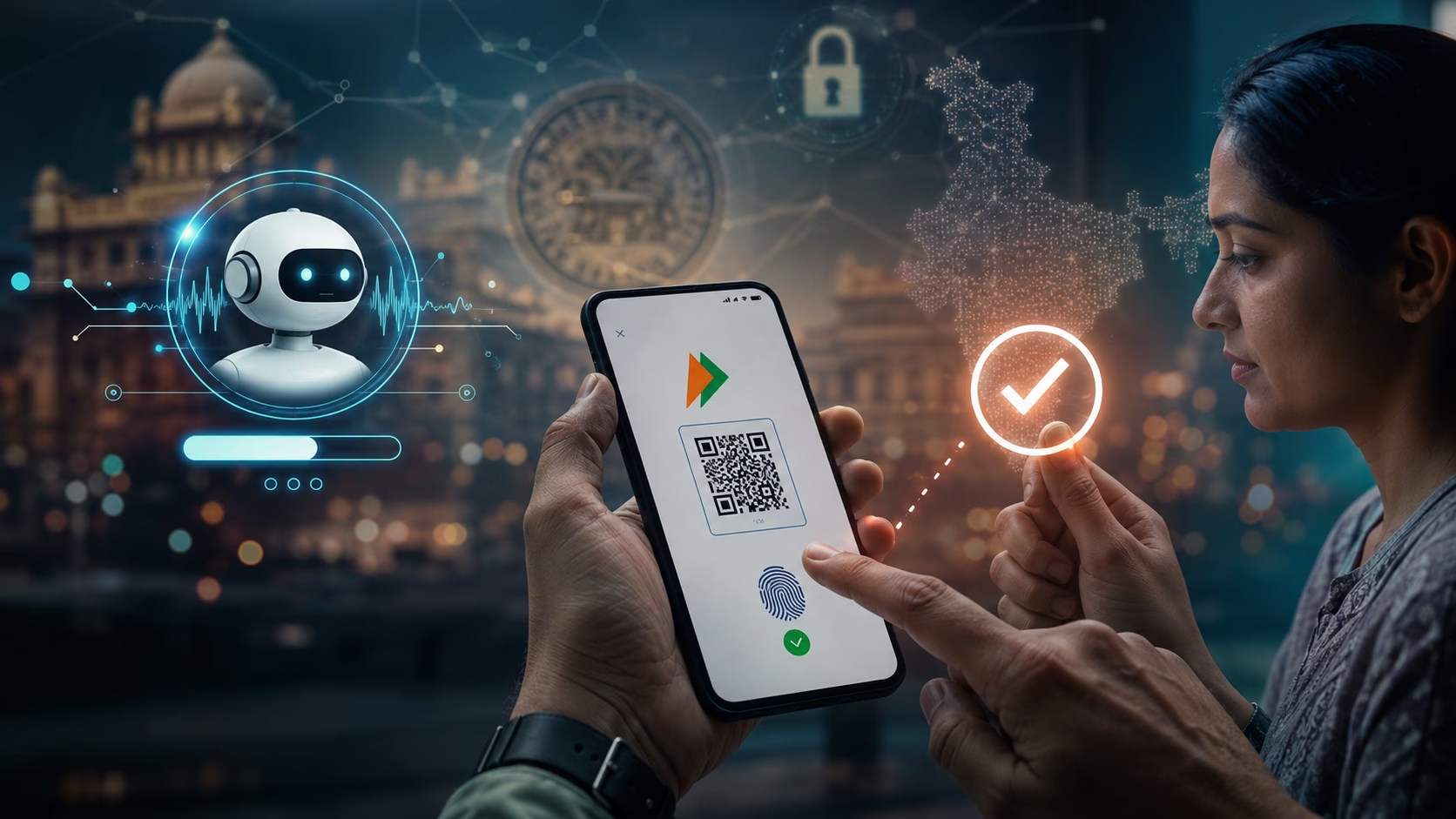
AI UPI Payment : AI को केवल payment assistant से आगे बढ़ाकर ऐसा agent बनाने की दिशा में तकनीकी चर्चा बढ़ रही है, जो यूजर के निर्देश पर कई चरणों वाली payment प्रक्रिया को पूरा कर सके। NPCI स्वयं conversational और agentic AI को payments ecosystem में विकसित करने की दिशा में काम कर रहा है। फरवरी 2026 में NPCI ने FiMI नामक payments-specific AI model और अपने UPI Help Assistant के agentic AI framework की जानकारी दी।
लेकिन यहां innovation से बड़ा सवाल authority और liability का है।
आज की व्यवस्था में unauthorized electronic transactions के मामले में RBI ने customer liability को bank/PPI issuer की negligence, third-party breach और customer negligence जैसे scenarios के आधार पर निर्धारित किया है। कुछ परिस्थितियों में customer की liability zero या limited हो सकती है और customer liability साबित करने का burden regulated entity पर है।
AI agent द्वारा की गई गलती का मामला अलग हो सकता है। अगर यूजर ने AI को भुगतान करने की अनुमति दी, लेकिन AI ने गलत merchant, गलत amount या गलत mandate चुन लिया, तो केवल यह कहना कि “payment authorised था” consumer protection के सवाल को खत्म नहीं करता।
यही कारण है कि AI को payment authority देने से पहले “किसकी गलती?” के साथ-साथ “किसकी liability?” और “किस आधार पर transaction authorised माना जाएगा?” का स्पष्ट framework जरूरी है।
Fact Sheet
Fact 1 — AI और UPI का प्रयोग अभी से शुरू हो चुका है
NPCI ने अक्टूबर 2025 में UPI Help Assistant का pilot शुरू किया था। इसका इस्तेमाल digital-payment queries, transaction status/grievance और UPI mandates को देखने तथा manage करने जैसे कार्यों में किया जा रहा है। महत्वपूर्ण बात यह है कि NPCI ने स्पष्ट किया था कि UPI Help में decision-making customer और/or issuer bank द्वारा की जाती है।
Fact 2 — NPCI agentic AI की दिशा में आगे बढ़ रहा है
फरवरी 2026 में NPCI ने FiMI को India-focused payments language model के रूप में पेश किया। NPCI के अनुसार यह UPI Help Assistant को power करता है और assistant में agentic AI framework का इस्तेमाल multi-step reasoning, grievance redressal और mandate management के लिए किया जाता है।
Fact 3 — NPCI AI को payments infrastructure की अगली परत के रूप में देख रहा है
NPCI ने NVIDIA के साथ फरवरी 2026 की घोषणा में payments ecosystem के लिए sovereign AI capabilities विकसित करने और use-case-specific agents से एक scalable AI layer की दिशा में बढ़ने की बात कही।
Fact 4 — Customer liability के लिए RBI का existing framework मौजूद है
RBI के customer-protection framework में unauthorized electronic transactions के लिए अलग-अलग परिस्थितियों में customer liability तय की गई है। उदाहरण के लिए, कुछ third-party breach scenarios में समय पर reporting करने पर zero liability हो सकती है; customer negligence वाले मामलों में reporting तक का loss customer पर आ सकता है।
Fact 5 — Liability साबित करने का burden महत्वपूर्ण है
RBI framework में unauthorized electronic payment transaction के मामले में customer liability साबित करने का burden bank/issuer पर रखा गया है।
असल बदलाव “UPI में AI” नहीं, “AI को authority” देने में है
AI से payment की जानकारी पूछना और AI को payment करने का अधिकार देना—दो अलग स्तर हैं।
पहले मॉडल में AI कह सकता है:
“आपका बिजली का बिल ₹2,430 है।”
लेकिन अंतिम payment user स्वयं करता है।
दूसरे मॉडल में AI कह सकता है:
“आपने कहा था कि हर महीने बिजली का बिल भरना है, इसलिए मैंने ₹2,430 का भुगतान कर दिया।”
यहीं से consumer-liability का प्रश्न गंभीर हो जाता है।
क्योंकि transaction technically authorised हो सकता है, लेकिन क्या वह वास्तव में user की intended authorisation थी?
सबसे कठिन सवाल: Consent किसे माना जाएगा?
मान लीजिए user ने AI से कहा:
“मेरा बिजली का बिल भर दो।”
AI ने गलती से पुराने merchant को चुन लिया और ₹2,430 के बजाय ₹24,300 का payment initiate कर दिया।
अब तीन possibilities हैं:
- User ने transaction explicitly approve किया था।
- User ने broad instruction दिया था और AI ने खुद parameters चुने।
- AI ने user intent को गलत समझा।
तीनों स्थितियों में payment technically “user-authorised ecosystem” के भीतर हो सकता है, लेकिन consumer harm का nature अलग है।
इसलिए future framework में “authorisation” की definition केवल PIN/biometric या technical authentication तक सीमित रखना पर्याप्त नहीं हो सकता।
Consumer Liability के पांच बड़े सवाल
1. Wrong Amount Liability
AI ने ₹1,000 की जगह ₹10,000 भेज दिए तो difference कौन bear करेगा?
2. Wrong Recipient Liability
AI ने सही व्यक्ति के बजाय समान नाम वाले दूसरे recipient को चुन लिया तो liability किसकी होगी?
3. Manipulated Instruction
अगर prompt injection, malicious message या compromised application ने AI को payment instruction बदलने पर मजबूर किया तो इसे customer negligence माना जाएगा या system failure?
4. Recurring Payment Risk
AI को recurring expenses manage करने की authority दी गई तो उसकी सीमा क्या होगी?
क्या वह केवल existing mandate execute करेगा या नया mandate भी बना सकेगा?
5. Dispute Resolution
Customer के लिए यह साबित करना कितना आसान होगा कि:
“मैंने payment करने की authority दी थी, लेकिन यह particular payment मेरी intended instruction नहीं थी।”
यही future dispute-resolution framework की असली परीक्षा होगी।
Existing RBI Framework क्यों पर्याप्त रूप से स्पष्ट नहीं दिखता?
यह कहना सही नहीं होगा कि भारत में digital-payment liability का कोई framework नहीं है। RBI के पास unauthorized electronic transactions और customer protection के लिए विस्तृत व्यवस्था है।
लेकिन AI agent एक नया intermediary behaviour पैदा करता है।
Traditional fraud scenario में सवाल अक्सर होता है:
“Transaction authorised था या unauthorised?”
AI-agent scenario में सवाल बदल सकता है:
“Transaction authorised था, लेकिन क्या transaction user की वास्तविक intent के अनुरूप execute हुआ?”
यही distinction regulatory clarity मांगता है।
Liability किस-किस पर आ सकती है?
एक AI-powered payment chain में कई actors हो सकते हैं:
User → AI Agent → AI Developer → UPI App/TPAP → PSP Bank → Issuer Bank → NPCI → Merchant
हर failure का source अलग हो सकता है।
| Failure | संभावित जिम्मेदारी का प्रश्न |
|---|---|
| AI ने गलत amount चुना | AI/app/system operator |
| User ने गलत instruction दी | Customer |
| Payment app ने technical error किया | Relevant regulated entity |
| Account compromise हुआ | Security architecture + applicable customer-liability rules |
| Merchant-side technical/security failure | Relevant payment participant |
| Fraudulent AI instruction inject हुई | Cyber/security liability |
| अस्पष्ट consent | Regulatory interpretation/dispute framework |
यह table किसी मौजूदा कानून में तय liability allocation नहीं है; यह policy question का framework है।
Innovation से पहले किन safeguards की जरूरत होगी?
A. Transaction Limits
AI agents के लिए अलग transaction limits तय की जा सकती हैं।
B. Risk-Based Confirmation
छोटी नियमित payment और बड़ी/असामान्य payment के लिए अलग authentication स्तर हो।
C. Intent Confirmation
AI को केवल “क्या आपने payment करने को कहा?” नहीं, बल्कि amount + recipient + purpose confirm करने की क्षमता हो।
D. Audit Trail
हर AI payment के लिए record होना चाहिए:
- User instruction
- AI interpretation
- Selected merchant
- Amount
- Time
- Authentication
- Final execution
- Any modification made by AI
E. Instant Reversal/Dispute Mechanism
AI-generated गलत transaction के लिए rapid dispute और reversal mechanism होना चाहिए।
F. Liability Disclosure
User को स्पष्ट रूप से बताया जाए:
“AI को payment authority देने के बाद किन परिस्थितियों में आपका financial liability exposure हो सकता है?”
एक और महत्वपूर्ण मुद्दा: “Human in the Loop”
AI को payment करने देना और AI को final financial decision-maker बना देना एक ही बात नहीं होनी चाहिए।
High-risk transactions में human confirmation एक मजबूत safety layer हो सकती है।
उदाहरण:
₹500 नियमित bill → automated execution
₹50,000 नया merchant → mandatory confirmation
नया beneficiary → stronger authentication
असामान्य location/device → transaction hold
इस तरह AI convenience दे सकता है, लेकिन अंतिम financial risk पर control architecture मौजूद रहता है।
क्या AI को UPI payment authority नहीं देनी चाहिए?
ऐसा निष्कर्ष अभी जल्दबाजी होगा।
NPCI स्वयं AI-based payment assistance और payments-specific AI infrastructure की दिशा में काम कर रहा है।
मुद्दा innovation रोकना नहीं है।
मुद्दा यह है कि:
जितनी अधिक financial authority AI को मिलेगी, उतनी ही स्पष्ट consumer protection architecture भी साथ आनी चाहिए।
AI को payment assistant बनाना अपेक्षाकृत कम जोखिम वाला है।
AI को autonomous payment agent बनाना कहीं अधिक गंभीर regulatory और liability question है।
What Next?
भारत में अगली policy debate केवल यह नहीं होगी कि:
“AI payments को कितना तेज बना सकता है?”
बल्कि यह भी होगी:
- AI agent को कितनी authority मिले?
- कौन-सी payments automatic हो सकती हैं?
- कौन-सी payments पर human confirmation जरूरी हो?
- AI की गलती को customer negligence माना जाएगा या system failure?
- गलत AI transaction का पैसा कौन लौटाएगा?
- dispute में evidence कौन उपलब्ध कराएगा?
- AI model/operator की liability कैसे तय होगी?
- consumer को AI की decision-making कितनी दिखाई देगी?
भारत की AI Governance Guidelines में भी AI systems के लिए graded liability, function और risk के अनुपात में responsibility, transparency, audits और grievance redressal जैसे principles पर जोर दिया गया है।
Bottom Line
UPI में AI का अगला चरण convenience की कहानी जरूर है, लेकिन consumer protection की परीक्षा भी है।
आज AI आपको payment समझाने और manage करने में मदद कर रहा है। कल वही AI आपकी ओर से payment execute कर सकता है।
उस दिन सबसे महत्वपूर्ण सवाल यह नहीं होगा कि:
“AI ने payment कितनी तेजी से कर दिया?”
बल्कि यह होगा:
“अगर AI ने गलत payment कर दी, तो consumer को बिना लंबी लड़ाई के उसका पैसा कौन और कितनी जल्दी वापस करेगा?”
यही जवाब AI-powered payments को वास्तव में trusted payments बनाएगा।
Source / Verification
- RBI — Customer Protection: Unauthorised Electronic Banking Transactions.
- RBI — Prepaid Payment Instrument customer-liability framework.
- NPCI — UPI Help Assistant pilot.
- NPCI — FiMI, India-focused payments AI model.
- NPCI — Sovereign AI infrastructure for digital payments.
- PIB — India AI Governance Guidelines / liability framework.
Verification Note: उपलब्ध आधिकारिक स्रोत AI-powered payment assistance और agentic AI की दिशा में प्रगति को पुष्ट करते हैं। लेकिन AI द्वारा autonomous UPI payment की स्थिति में प्रत्येक प्रकार की consumer liability के लिए कोई एक स्पष्ट, अलग “AI payment liability” framework इन स्रोतों में स्थापित नहीं दिखता। इसलिए ऊपर के liability scenarios को मौजूदा नियमों का अंतिम कानूनी निष्कर्ष नहीं, बल्कि policy/regulatory gap analysis के रूप में पढ़ा जाना चाहिए।
Discover more from
Subscribe to get the latest posts sent to your email.