
- नेशनल डेस्क
India Private Investment: भारत की अर्थव्यवस्था में private investment revival के शुरुआती और महत्वपूर्ण संकेत दिखाई दे रहे हैं। अप्रैल-जून 2026 की तिमाही में निजी निवेश से जुड़े capital formation indicators मजबूत हुए हैं और निजी क्षेत्र की नई investment announcements में भी तेज उछाल दर्ज किया गया है। लेकिन तस्वीर एकतरफा नहीं है।
Q1 FY27 में भारत की वास्तविक GDP growth 7.8% रही। इसी अवधि में private-sector-driven capital investment में लगभग 11.9% की सालाना वृद्धि दर्ज हुई और gross fixed capital formation का nominal GDP में हिस्सा 34.3% तक पहुंचा।
दूसरी ओर, अगस्त में manufacturing PMI गिरकर 52.8 रह गया, जो पांच साल का सबसे कमजोर expansion था। नए orders और output की growth भी धीमी हुई और manufacturing employment में कमी आई।
इसलिए बड़ी कहानी यह नहीं है कि “निजी निवेश लौट आया”, बल्कि यह है:
भारत में private capex cycle के पुनर्जीवन के संकेत मजबूत हो रहे हैं, लेकिन इसका असर अभी पूरे manufacturing sector में समान रूप से नहीं फैला है।
Fact Sheet
| Indicator | Latest Signal | मतलब |
|---|---|---|
| India GDP Growth, Q1 FY27 | 7.8% | मजबूत overall growth |
| Private-sector capital investment | +11.9% YoY | private capex में तेजी का संकेत |
| Gross Fixed Capital Formation | 34.3% nominal GDP | investment intensity मजबूत |
| Manufacturing GDP Growth, Q1 | 9.2% | official data में मजबूत manufacturing |
| Manufacturing PMI, August | 52.8 | expansion जारी, लेकिन पांच साल का कमजोर pace |
| Private-sector fresh investment announcements, Q1 | ₹15.4 लाख करोड़ | investment intentions में बड़ा उछाल |
| Manufacturing fresh investment announcements | ₹2.2 लाख करोड़ | पिछले साल की तुलना में लगभग 40% कम |
| Services fresh investment announcements | ₹7.8 लाख करोड़ | private investment का बड़ा हिस्सा |
| Electricity fresh investment announcements | ₹7.6 लाख करोड़ | power-related capex मजबूत |
GDP और investment indicators के लिए MoSPI के आधिकारिक आंकड़े उपलब्ध हैं; fresh investment announcements के sectoral आंकड़े CMIE data पर आधारित हैं।
Private Investment की कहानी में पहली बड़ी बात: GDP के पीछे सिर्फ सरकार नहीं
भारत की growth story में लंबे समय तक infrastructure और public capital expenditure को प्रमुख driver माना गया। अब उपलब्ध आंकड़े बताते हैं कि private sector भी investment cycle में ज्यादा सक्रिय होता दिखाई दे रहा है।
अप्रैल-जून 2026 में private-sector-driven capital investment में 11.9% की सालाना वृद्धि हुई। इसी दौरान gross fixed capital formation का nominal GDP में हिस्सा 34.3% रहा।
यह इसलिए महत्वपूर्ण है क्योंकि private capex का मतलब केवल आज की GDP growth नहीं है। नई factory, machinery, data centre, power infrastructure या technology capacity आज investment पैदा करती है और आने वाले वर्षों में production तथा employment की क्षमता बढ़ा सकती है।
दूसरा संकेत: कंपनियों की नई Investment Announcements में बड़ा उछाल
CMIE के अनुसार Q1 FY27 में private sector ने ₹15.4 लाख करोड़ के नए investment projects announce किए। यह पिछले साल की समान तिमाही की तुलना में लगभग 97% अधिक है।
यह headline number बहुत बड़ा है, लेकिन newsroom के लिए यहां एक महत्वपूर्ण सावधानी है:
Investment announcement और actual investment spending एक ही चीज नहीं हैं।
किसी कंपनी द्वारा project announce करने के बाद जमीन, financing, approvals, construction, machinery procurement और commissioning जैसे कई चरण आते हैं।
इसलिए ₹15.4 लाख करोड़ को सीधे “इतना पैसा economy में खर्च हो चुका” लिखना गलत होगा।
लेकिन Manufacturing में कहानी उलटी क्यों?
यहीं इस पूरे analysis का सबसे महत्वपूर्ण contradiction सामने आता है।
एक तरफ official GDP data में Q1 FY27 manufacturing growth 9.2% रही। दूसरी तरफ August manufacturing PMI केवल 52.8 रहा, जो August 2021 के बाद सबसे कमजोर expansion है।
PMI में 50 से ऊपर का आंकड़ा expansion दिखाता है। इसलिए 52.8 का मतलब manufacturing contract नहीं कर रही, बल्कि growth जारी है—बस उसकी गति काफी धीमी हो गई है।
August में:
- output growth कमजोर हुई
- new orders की growth पांच साल के निचले स्तर पर पहुंची
- employment में contraction आया
- international demand भी कमजोर हुई
- purchasing activity की growth भी धीमी हुई।
इसका अर्थ है कि private investment revival अभी manufacturing demand revival में पूरी तरह translate नहीं हुआ है।
Investment Revival कहां ज्यादा दिखाई दे रहा है?
CMIE के Q1 FY27 data में private investment का सबसे बड़ा momentum manufacturing से बाहर दिखाई देता है।
Electricity sector में fresh investment announcements बढ़कर लगभग ₹7.6 लाख करोड़ और services में करीब ₹7.8 लाख करोड़ हो गए। Services के भीतर IT investment लगभग चार गुना बढ़कर ₹6.5 लाख करोड़ पहुंचा।
इसके विपरीत manufacturing में fresh investment announcements लगभग 40% गिरकर ₹2.2 लाख करोड़ रह गए।
यानी private capex cycle की वापसी को केवल “नई factories लग रही हैं” वाली कहानी के रूप में देखना अधूरा होगा।
असल में नई investment economy के कई नए क्षेत्रों से आ रही है:
Power → IT → Data Centres → Digital Infrastructure → Advanced Technology → Services
और यही भारत के अगले investment cycle की संभावित दिशा को भी संकेत देता है।
Data Centres और Technology क्यों महत्वपूर्ण हैं?
भारत में AI, cloud computing और digital services के विस्तार ने data-centre infrastructure की मांग बढ़ाई है।
Reuters के अनुसार Google और Amazon समेत technology companies भारत में data centres में $40 billion से अधिक commitments कर रही हैं।
इस तरह के investments traditional manufacturing factory जैसे दिखाई नहीं देते, लेकिन इनमें:
- construction
- power generation
- cooling infrastructure
- electrical equipment
- networking
- servers
- real estate
- engineering services
जैसी कई गतिविधियां जुड़ती हैं।
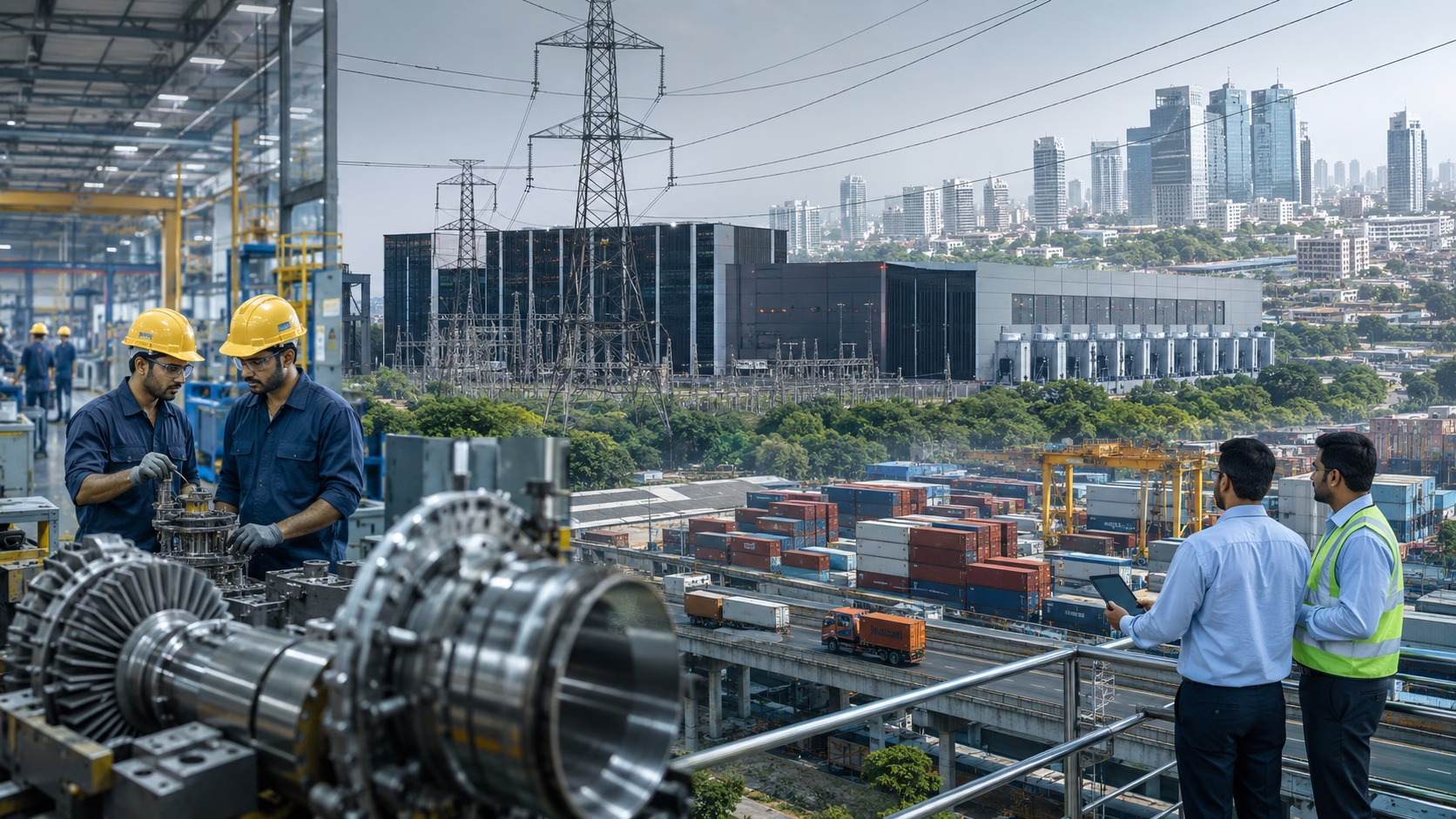
इसलिए भारत का emerging private capex cycle केवल manufacturing story नहीं, बल्कि energy + digital infrastructure + technology investment story भी है।
Business Spending का तीसरा संकेत: Corporate Sales
Private companies की demand picture में भी कुछ सकारात्मक संकेत हैं।
RBI के analysis के अनुसार Q1 FY27 में listed non-financial companies की sales लगभग 19.4% YoY बढ़कर ₹21.6 लाख करोड़ हुईं। हालांकि profit growth पर input costs और tax provisions का दबाव रहा।
इसका मतलब:
Revenue growth मजबूत है, लेकिन profitability का सवाल अभी खत्म नहीं हुआ है।
यानी कंपनियां ज्यादा बेच रही हैं, लेकिन हर अतिरिक्त बिक्री का उतना ही हिस्सा profit में बदल रहा हो, यह जरूरी नहीं।
Private capex के sustainable revival के लिए यही profitability महत्वपूर्ण होगी।
सबसे बड़ा सवाल: क्या यह Broad-Based Capex Cycle है?
अभी इसका जवाब “पूरी तरह हां” नहीं है।
तीन अलग संकेत एक साथ देखने होंगे:
Signal 1 — Positive
Private capital investment बढ़ रहा है।
Signal 2 — Positive
Investment announcements में तेज उछाल आया है।
Signal 3 — Caution
Manufacturing PMI में लगातार तीसरे महीने कमजोरी आई है और August reading पांच साल के निचले स्तर पर पहुंच गई।
इसलिए मौजूदा स्थिति को सबसे सटीक तरीके से इस तरह लिखा जा सकता है:
भारत में private investment cycle के शुरुआती revival के संकेत हैं, लेकिन manufacturing-led broad-based investment boom की पुष्टि के लिए अभी और quarters के data की जरूरत है।
आम आदमी और Jobs पर क्या असर?
Private investment का सबसे बड़ा संभावित फायदा केवल GDP growth नहीं बल्कि productive capacity और employment है।
लेकिन अभी यहां भी mixed picture है।
Manufacturing PMI में August के दौरान employment घटा है।
दूसरी ओर services और technology-linked investment बढ़ रहा है।
इसका अर्थ हो सकता है कि आने वाले वर्षों में रोजगार का pattern बदलता जाए:
Traditional factory jobs + construction + engineering + logistics + IT + digital infrastructure + specialised technical jobs
इसलिए investment revival का रोजगार प्रभाव इस बात पर निर्भर करेगा कि निवेश किस sector में और किस प्रकार का हो रहा है।
इस Revival को कौन रोक सकता है?
1. कमजोर Global Demand
Manufacturing PMI में domestic और international demand दोनों में softness के संकेत हैं।
2. महंगा Crude Oil
भारत की energy import dependence के कारण ऊंचा oil price corporate costs और inflation दोनों को प्रभावित कर सकता है।
3. Geopolitical Risk
Global financial conditions, geopolitical tensions और trade uncertainty companies को बड़े long-term projects पर सावधान कर सकते हैं।
4. Financing Cost
यदि inflationary pressure बढ़ता है और interest rates ऊपर जाते हैं, तो debt-funded capex की economics बदल सकती है।
5. Announcement बनाम Execution
सबसे महत्वपूर्ण जोखिम यही है कि बड़ी project announcements वास्तविक construction और commissioning में कितनी तेजी से बदलती हैं।
अब किन आंकड़ों पर नजर रखें?
Private investment revival को confirm करने के लिए अगले कुछ quarters में इन indicators को साथ देखना जरूरी होगा:
1. Corporate Capex
कंपनियां वास्तव में कितना पैसा नए assets पर खर्च कर रही हैं?
2. Capital Goods Production
Machinery और equipment की मांग बढ़ रही है या नहीं?
3. Bank Credit to Industry
Companies investment के लिए borrowing बढ़ा रही हैं या नहीं?
4. Manufacturing PMI
52.8 से आगे momentum वापस आता है या नहीं?
5. Capacity Utilisation
Existing factories कितनी capacity पर चल रही हैं?
6. Project Completion
Announced projects जमीन पर कितने उतर रहे हैं?
7. Private Employment
Investment cycle के साथ नौकरियां बढ़ रही हैं या नहीं?
Editorial Verdict
Early but Uneven Revival
भारत में private investment की वापसी के विश्वसनीय शुरुआती संकेत मौजूद हैं।
लेकिन इसे अभी “Manufacturing में व्यापक private investment boom” कहना जल्दबाजी होगी।
सबसे मजबूत तस्वीर फिलहाल यह है:
Private investment ↑
Capital formation ↑
Corporate sales ↑
IT/Power/Data-centre investment ↑
Manufacturing PMI ↓
यानी भारत की investment story में revival और caution दोनों एक साथ मौजूद हैं।
भारत में private investment cycle के पुनर्जीवन की जमीन तैयार होती दिख रही है, लेकिन उसका सबसे मजबूत हिस्सा अभी Power, IT, Data Centres और Services जैसे क्षेत्रों में है। Manufacturing में August की कमजोरी बताती है कि broad-based private investment boom की पुष्टि के लिए आने वाले quarters का data निर्णायक होगा।
Source / Verification
Primary:
- Ministry of Statistics & Programme Implementation — Q1 FY27 GDP estimates ,CMIE CapEx database — investment project data ,
Supporting:
- Reuters — private investment, GDP और manufacturing developments ,
- August 2026 HSBC/S&P Global Manufacturing PMI reporting ,
Discover more from
Subscribe to get the latest posts sent to your email.